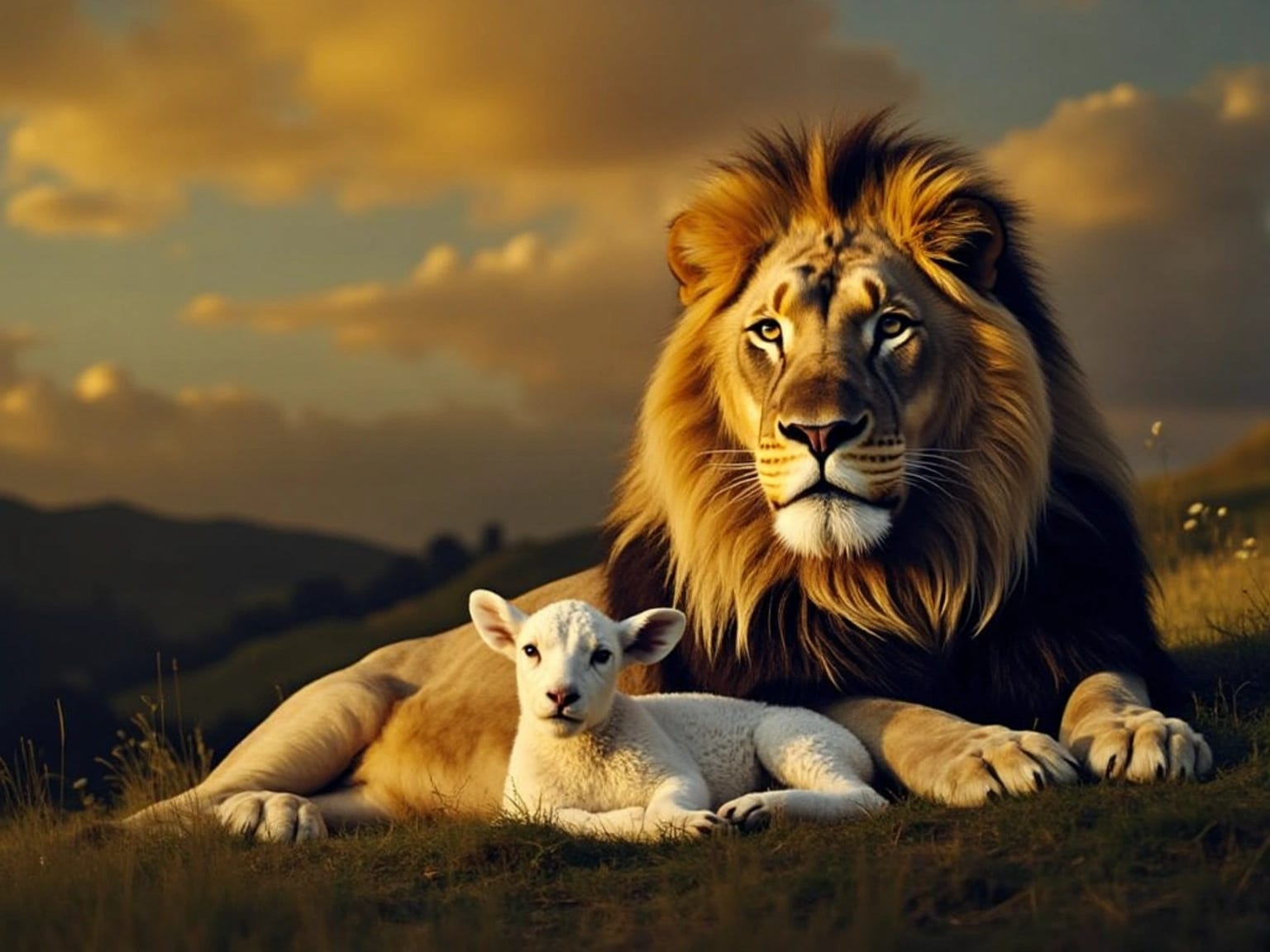
The Way Forward
And So, We Have Hope

Jesus had an idyllic vision of the future. His vision was holistic and universal. He saw both the beginning and the culmination of human history. More importantly, he saw the way from one to the other. In fact, he was the Way from one to the other.
When religious leaders questioned Jesus about the law and its application to marriage, Jesus started by saying, “from the beginning it was not so.” He saw that the original design, plan, and purpose for creation was beautiful and without any damaged, broken, dysfunctional places. Every element reflected the wisdom and glory of God.
So, what happened?!
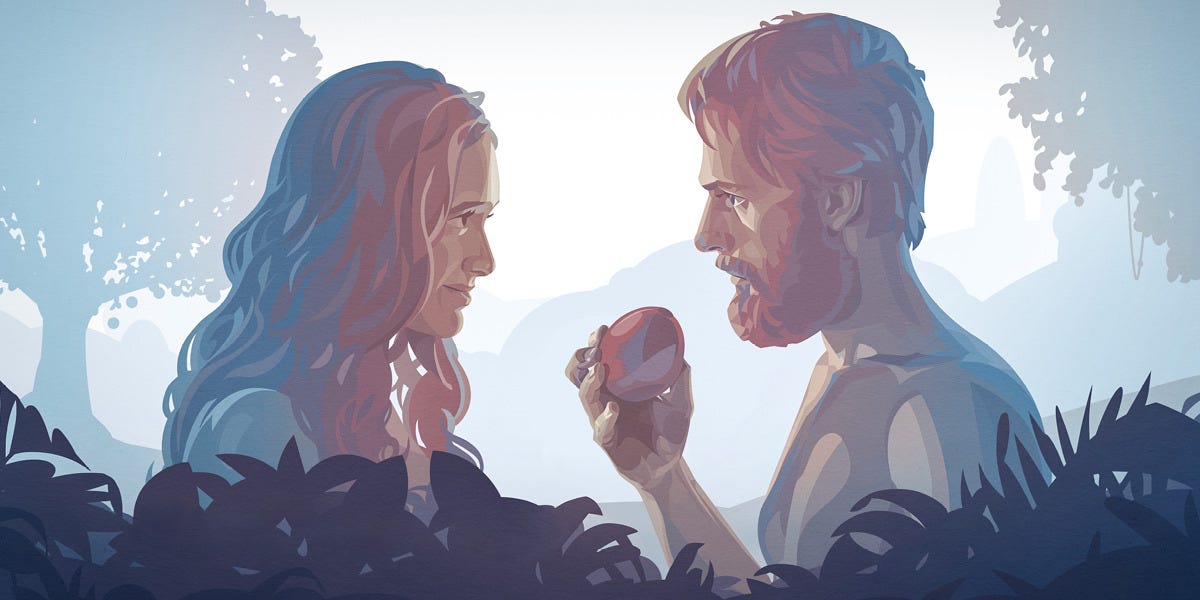
I contend that seeing the original purpose in creation as found in the theological poem found in the first two chapters of Genesis helps to paint a picture of the design for God’s good creation, and especially for God’s human children. At the same time, understanding the story of death and brokenness entering into creation is also very important. Every time “The Serpent” appears in Scripture, it refers to what became known as Satan, Lucifer, or the Devil. There is no doubt that the questions asked and the alternatives offered by The Serpent brought a new reality into creation.
“Did God say?” The existence of God is not being questioned here. The character and integrity, the motivation of God is at stake. What was God’s real reason for asking that the fruit of a certain tree not be eaten? Who did God think God was to ask these persons to avoid a certain choice? And what would happen if they chose to not obey God?
“God knows.” This question suggests that there is another plot at work, another agenda at play. And a conspiracy theory is proposed. God is keeping these humans from growing into their full potential. God is holding them back. They have been created with the ability to make personal choices, so why is God now limiting that ability by asking them to not make a certain choice? The answer is simple. If they pursue their own potential independently from their Creator, they will experience a whole new level of life.
“You will be like God.” The Serpent did not promise that they would be God or that they would in any way displace God. The promise was that if they chose to live independently from God, if they came out from under the authority of their Creator, they would be able to function on their own level of flourishing. They would no longer need God. They would be free to do as they pleased in every area of life.

In theology, we call this, “The Lie.” And it is still the operational lie we hear and tell ourselves and live in accordance with every day.
Believing and acting on The Lie resulted, not in new human potential, but in humans and God being separated from each other. It resulted in heaven and earth being separated. And it resulted in all of creation being marred. From that time on, every human has been born as a broken person in a broken world. Since “separation from God” is the very definition of death, death entered into creation. God had warned them. If they made the choice to live independently from their Creator, their source of life and all that is good, they would lose their heart connection to God; they would die.
But that is not the end of the story. Jesus saw that the beginning of the story is also the culmination. God’s original plan and purpose for creation was also its goal. In the end, God’s plan of creation would be fulfilled in the restoration of all things.
In the meantime, and because the Father is committed to the original plan for humanity, a plan to offer redemption to every human person was launched. While that plan involved several steps in what we think of as the Older Covenant, it culminated in the coming of God-With-Us, God-Made-Flesh into the world. Jesus came as the Redeemer, making clear the possibility of restored friendship with God. In his life, death, and resurrection, Jesus became both the embodiment of the Way of a life-connection to God as well as the fulfillment of God’s plan. Jesus was the perfect representation of both God and a human being (as human beings were originally designed to be). Jesus came as the King of God’s Kingdom as well as the Redeemer. He came to lead the way back to God’s original plan for creation, to a time when heaven and earth would be joined again as “new heavens and a new earth.”
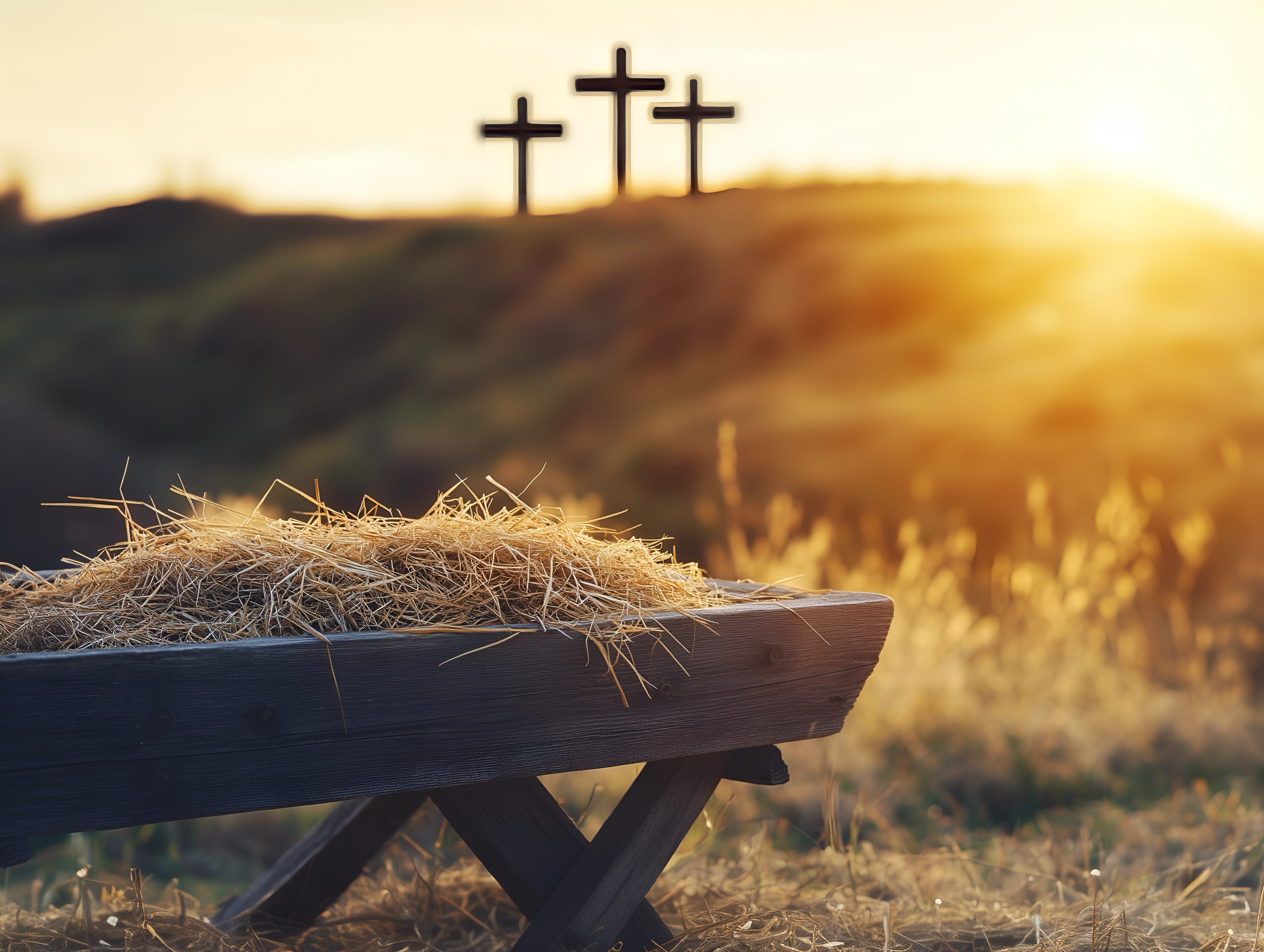
To prepare the way, Jesus launched a mission for his followers. They were to “make disciples,” to teach others how to follow Jesus. And they were to be ambassadors of the Kingdom, to represent the values and life of the Kingdom in the world. While announcing the Good News, they were also to live out the truths Jesus taught, to demonstrate the life of the Kingdom under the yoke of Jesus, no matter what the cost. The Light of God’s love and glory, shining at the end of this age of redemption, is shining on our current lives and our current context. Our mission remains intact and will ultimately succeed.
And so, we have hope. Because we see both the beginning and the end, we are able to point out that “the arc of history bends toward justice.” We do not despair, even in very dark times. And we are able to discern the difference between a Jesus-shaped, Gospel-shaped, cross-shaped life, and a politicized religiosity. After all, we do not place hope in any person or leader. We don’t have hope because of any ideology, tradition or dogma. Our hope is not founded on any nation or religious community. It is firmly rooted in a King and his Kingdom, and his commitment that, in the end, “all shall be well and all shall be well, and all manner of things shall be well.”